
Showing parts that fit Audi A3 8L1 1.9 TDI 66 kW · 123 ABC+ Save to garage
Winter tyres are tyres made for temperatures below about +7 °C, snow, ice and slush. In the Nordic and Baltic countries there are two main kinds: studded tyres with metal studs for ice, and Nordic friction (studless) tyres with a very soft compound and dense siping. In Estonia winter tyres are mandatory from 1 December to 1 March.
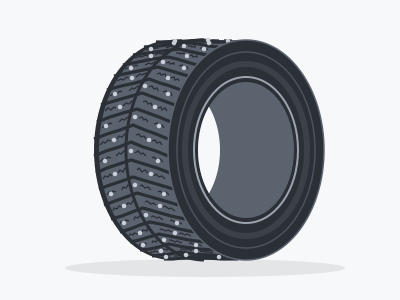 Studded winter tyresStudded winter tyres have metal studs in the tread that bite into ice and hard-packed snow.Read more →
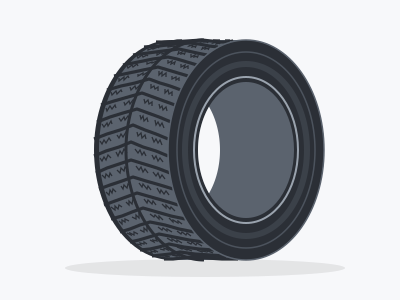 Nordic winter tyres (friction, studless)Nordic winter tyres, also called friction or studless tyres, are winter tyres without studs made for the coldest Nordic conditions.Read more →NokianHakkapeliitta 10205/55 R16 94T112.00 €MichelinX-Ice North 4205/55 R16 94T129.00 €NokianHakkapeliitta R5205/55 R16 94R116.00 €MichelinX-Ice Snow205/55 R16 94H124.00 €
Winter rubber stays flexible in the cold. Summer rubber hardens below about +7 °C and loses grip.
Hundreds of thin cuts (sipes) open on snow and ice and give the tread biting edges.
Deeper, more open blocks clear snow and slush and pack snow for snow-on-snow grip.
Metal studs, typically with a hard carbide pin, dig into ice where rubber alone slips.
Rules change; the dates above were checked on 25.10.2026. Police can require winter tyres earlier or later when road conditions demand it.
General guidance for typical tyres of each type; individual models differ. Compare the EU label and independent tyre tests for a specific model.
Winter tyres are mandatory from 1 December to 1 March. Studded tyres may be used from 15 October to 31 March, and from 1 October to 30 April when there are winter conditions.
Studded tyres grip best on bare ice and are the safer choice on rural roads and for less experienced drivers. Nordic friction tyres are quieter, work better in slush and on bare asphalt, and suit city and highway driving.
The three-peak mountain and snowflake symbol shows that the tyre passed a standardised snow grip test. In Estonia, non-studded winter tyres on cars must carry it.
In Estonia the tread on winter tyres must be more than 3 mm. Grip on snow drops noticeably below 4–5 mm, so many drivers replace them earlier.
They are made for wet and slushy winters around 0 °C, not for Nordic ice. Check that any non-studded winter tyre carries the 3PMSF symbol and is intended for Nordic conditions.
 Summer tyres
 All-season tyres